The thesis
Picks and shovels for the AI build-out.
I don't know which AI application will win. I do know what every one of them needs. This page explains the thesis, layer by layer, and what would make me change it.
Why the foundations, not the applications
During the gold rush, most diggers found little. The steadier businesses tended to be the ones selling picks, shovels and transport to all of them. Today's AI race looks similar: hundreds of companies compete to build the winning product, and it is very hard to know in advance who that will be.
What they share is a physical foundation. Every model runs on chips, in buildings full of servers, on electricity that has to be generated and carried by a grid. That demand exists whichever application wins. My research starts there.
See all weeks →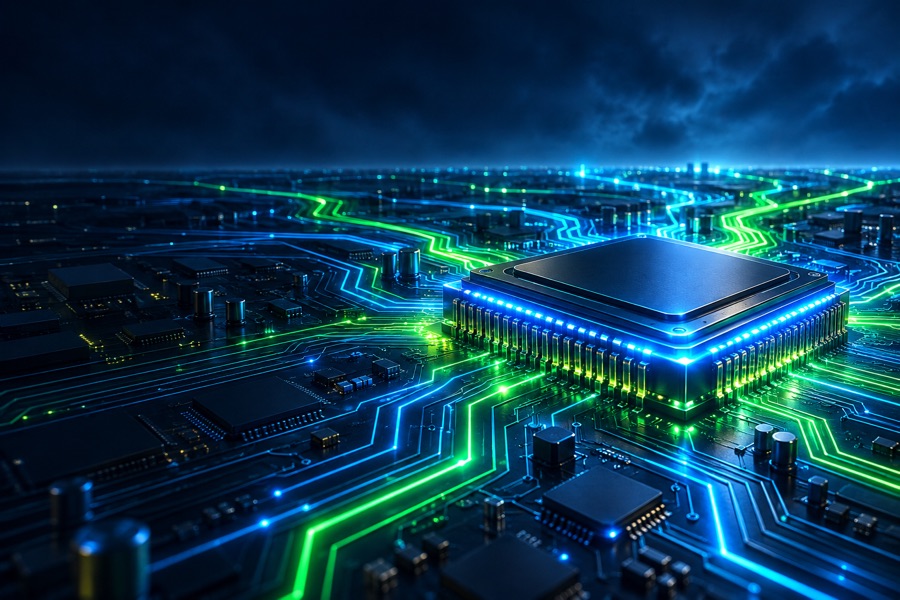
LAYER 01
Chips
Training and running AI models takes enormous computing power. That value flows to chip designers, to the foundries that manufacture them and to the makers of the equipment inside every chip factory.
- Orders and backlog
- Foundry capacity
- Customer concentration
- Export controls
LAYER 02
Data centres
Chips need a home: buildings, cooling and fast networks. The largest cloud companies decide how much is built. How that spending is financed matters as much as the demand behind it.
- Capital spending plans
- Financing and debt
- Utilisation and pricing
- Signs of overbuilding
LAYER 03
Electricity
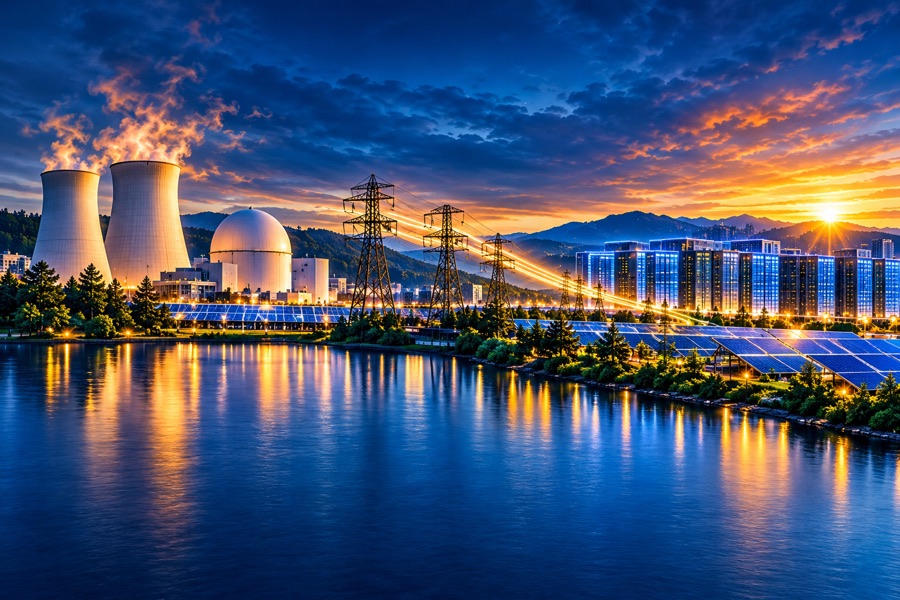
A data centre runs day and night. Long-term power contracts, utilities, nuclear and renewable generation are where AI meets the physical limits of supply.
- Power purchase agreements
- Utility investment plans
- New generation capacity
- Permitting and regulation
LAYER 04
Grids
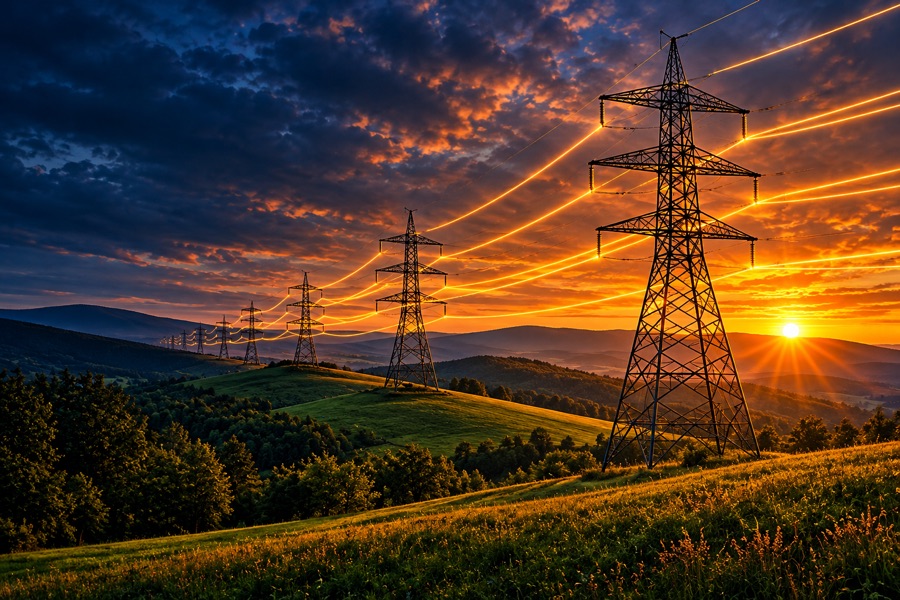
Power has to reach the site. Transmission lines, transformers and switchgear are often the bottleneck, and they take years to build. That makes this the slowest and, to me, one of the most durable layers.
- Equipment backlogs
- Transmission investment
- Margins of suppliers
- Grid connection queues
Honest about the risks
What would make me change my mind.
A thesis is only useful if it can be wrong. These are the signals I watch most closely.
Spending cuts
The largest buyers reduce their AI investment plans for several quarters in a row.
Signal: capital spending guidanceEfficiency leaps
Models become so efficient that far less hardware and power are needed for the same result.
Signal: compute per dollar of revenueOverbuilding
Capacity is built faster than it is used, and prices for computing fall sharply.
Signal: utilisation and pricingExpensive money
High interest rates make it much harder to finance data centres and grid projects.
Signal: financing costs and debtPolitics and trade
Export controls, tariffs or regulation cut companies off from key customers or supply.
Signal: rules and supply chainsPaying too much
A good business can still be a poor investment if the price already assumes perfection.
Signal: valuation versus cash flowFree newsletter
Research notes, once a week, in your inbox.
What I read, what changed in my thinking and why. Written for people who invest for years, not days.
- One long-form article every week
- Short notes when something important happens
- Facts first, my view clearly separated
- No tips, no price targets, no hype